
Quantum Philosophy | ΦQ
Past Event
TAQCIT role | Organized by TAQCIT
Updated|September 7, 2026
Inaugural ΦQ Quantum Philosophy Debate
From youth debate to live human–AI cross-examination, quantum concepts enter public arguments that can be questioned and defended.
Built around “Quantum Vision, Interdisciplinary Resonance,” the inaugural ΦQ combined preliminary rounds, a public final, a human–AI exhibition debate, and open dialogue across physics, philosophy, democratic governance, and artificial intelligence.
OFFICIAL MOTIONS
The Final and Live Exhibition Motions
The formal bilingual wording below follows the motion explainers supplied to the competition. Editorial summaries elsewhere on this page are secondary to these texts.
Championship Final
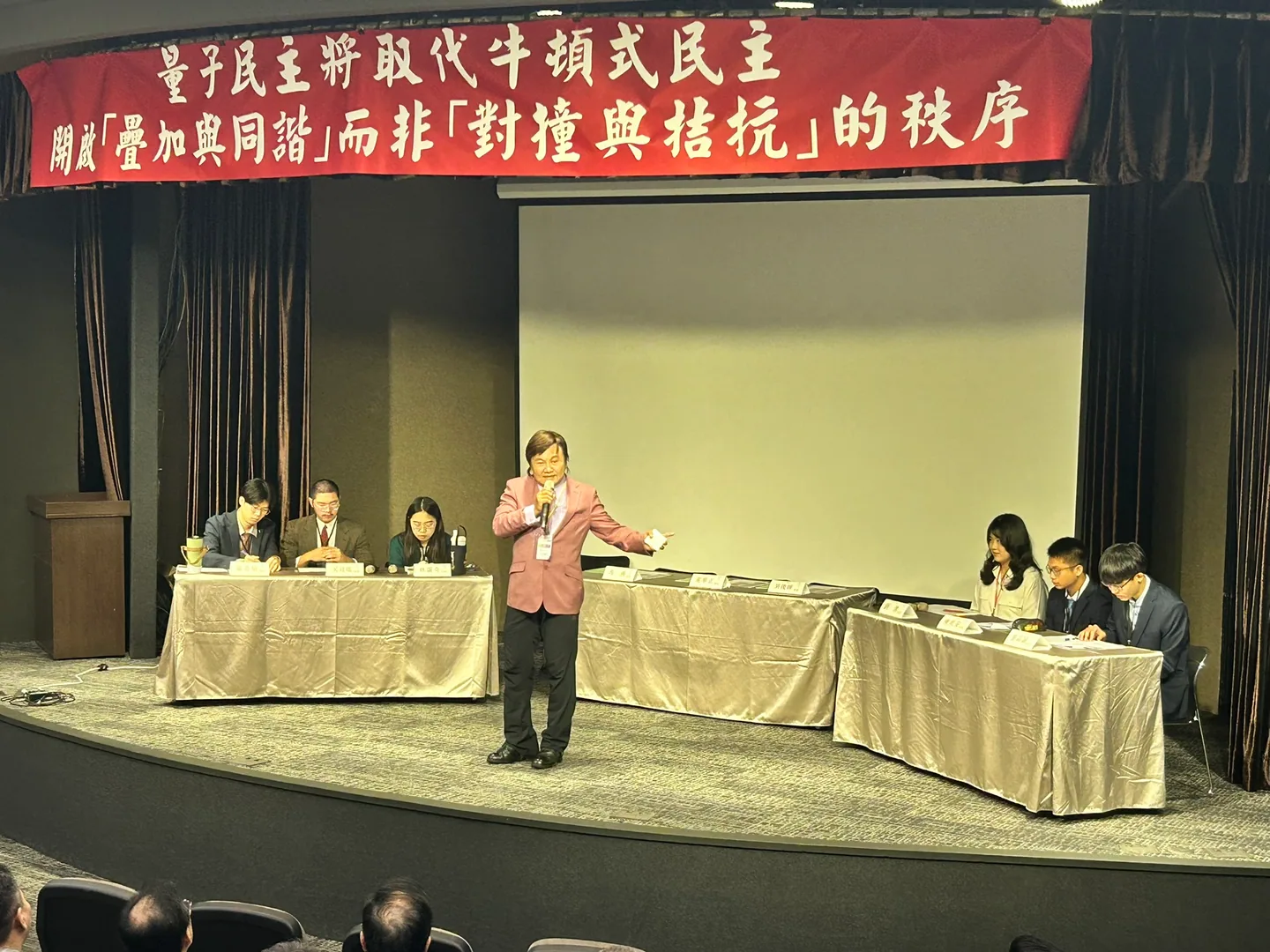
Quantum Democracy will replace Newtonian Democracy, inaugurating an order of “Superposition and Synchronicity” rather than “Collision and Confrontation.”量子民主將取代牛頓式民主,開啟「疊加與同諧」而非「對撞與拮抗」的秩序。
Champion · Wuliang Kongchu 無量空處 (Opposition) / Runner-up · His Excellency the Downpour and Friends 大暴雨閣下與他的小夥伴們 (Proposition)
Open the 5-page motion explainer ↗Live Human–AI Exhibition
As quantum technology strips the universe toward transparency, artificial consciousness deepens its gaze, lucidly, into the formless, achromatic reaches of the human heart.量子科技讓宇宙愈發透明,人工意識愈發通澈人心之無色
Human team · Joyce Yen Feng, Jiun-Huei Proty Wu, and Jeu-Jenq Yuann / AI team · ChatGPT, Gemini, and Grok
Outcome · The organizer’s post-event account records a human-team win.
Open the official 3-page explainer ↗Where the motions began
From candidate questions to formal motions, the ΦQ planning materials explored evidence, freedom, and the effects of technology on people and institutions. These early questions were prompts for exploration and practice. For the motions used in the 2025 competition, see the official motions and preliminary-round archive on this page.
Explore six discussion exercises ↓DEBATE METHOD
How the Deweyan 3–3–3 Format Works
Three debaters on each side proceed through four linked tasks. The system values knowledge-building and accountable public inquiry, not attack for its own sake.
- 01
Constructive
State a position and build the conceptual and evidentiary frame.
- 02
Cross-examination
Test consistency, relevance, and the practical reach of the opposing case.
- 03
Rebuttal
Answer objections, repair gaps, and advance the argument.
- 04
Closing
Integrate the debate and offer an actionable direction or future horizon.
Depth of knowledge · interdisciplinary integration · quality of response · constructive closing and future direction
Archived documents differ on whether the letter scale includes F. This page therefore presents the shared assessment dimensions without declaring a single final letter scale.IDENTITY & AWARDS
Awards and the Three Forms of SynCat
The award language and SynCat character system turn coherence, entanglement, resonance, and inquiry into a visual and verbal identity for the event.
Award language
- 01Bronze Coherence季軍|多重相干
- 02Silver Entanglement亞軍|思惟交纏
- 03Golden Synchronicity冠軍|量子同諧
- 04Resonant Voice優秀辯士|跨域共鳴
- 05Quansured Transparency跨域評審|量觀澄澈
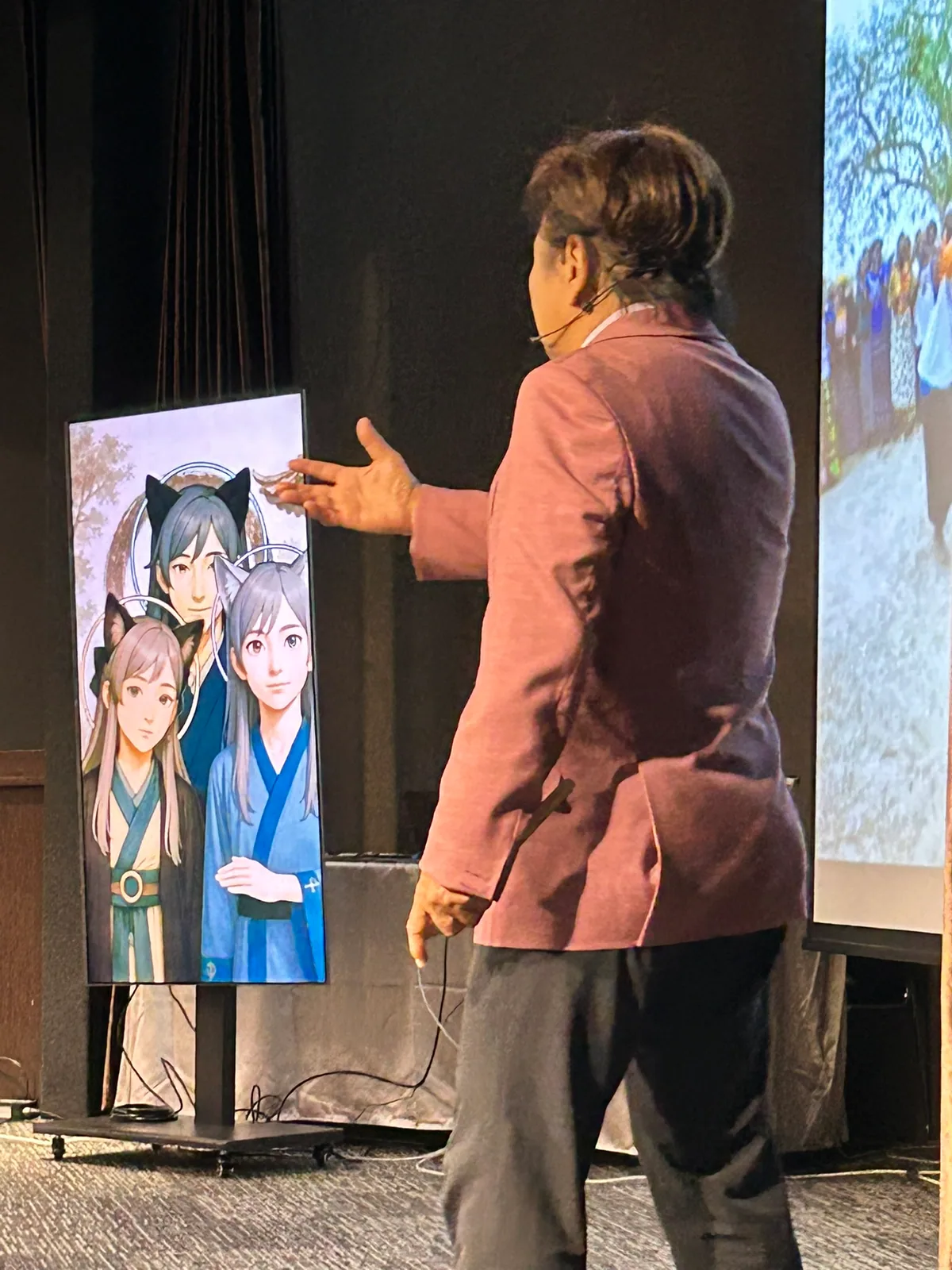
SynCat
The preferred English name for 若貓. SynCat observes quantum-philosophical debate through three complementary modes.

Yin
Ethics and questioningPresses arguments on risk, responsibility, and the human situation.

Yang
Physics and evidenceAsks for definitions, models, evidence, and testable claims.

Harmony
Reason and reconciliationClarifies disagreements and seeks conclusions that different sides can examine together.
SynCat is an event character concept used to visualize three complementary modes of inquiry; the figures do not represent real people.
EVENT ARCHIVE
Inside the Inaugural Competition
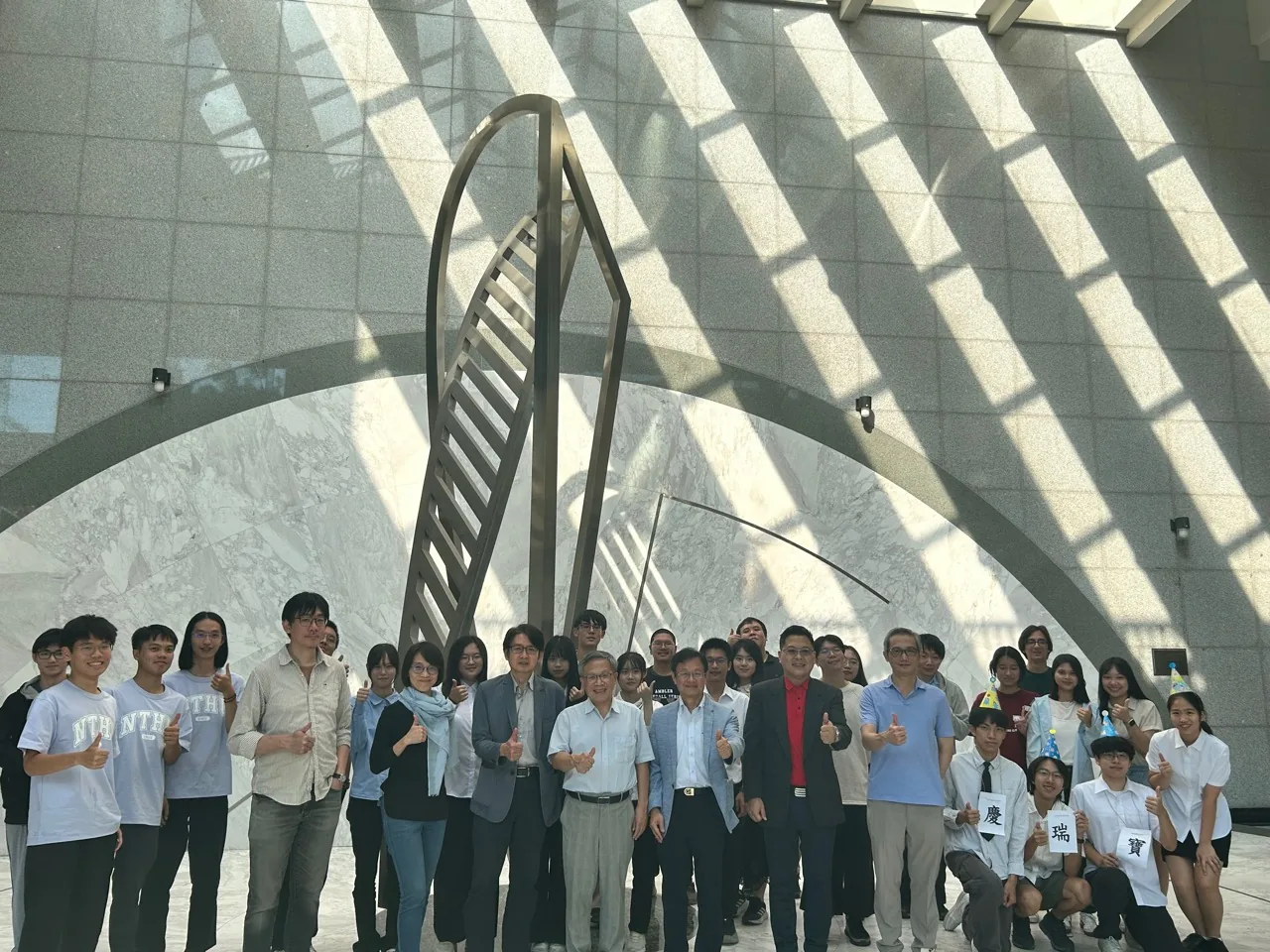
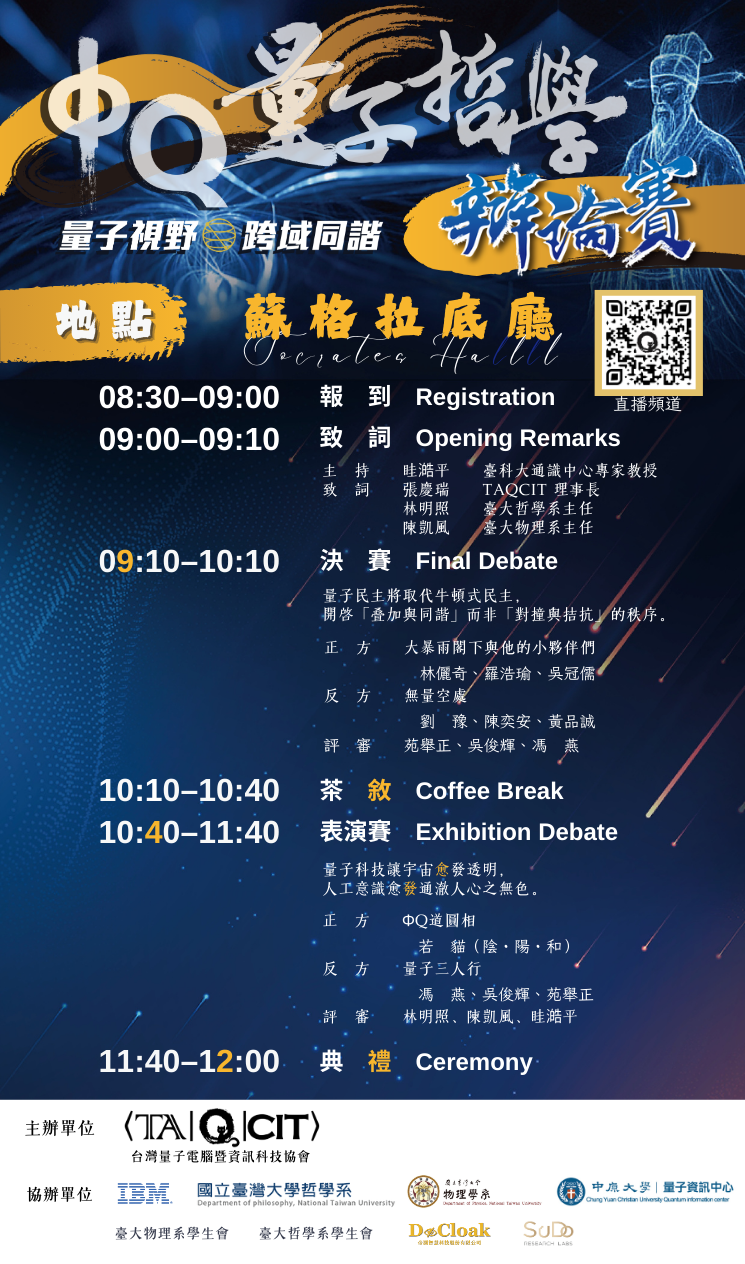
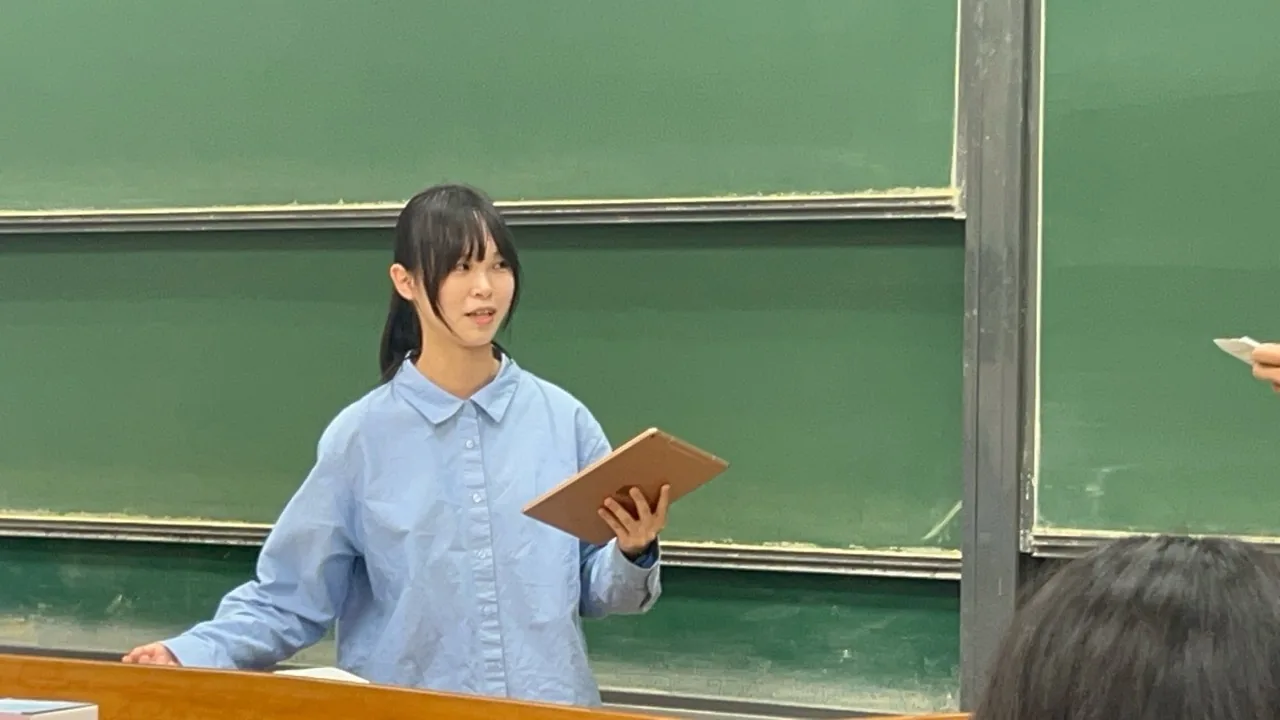
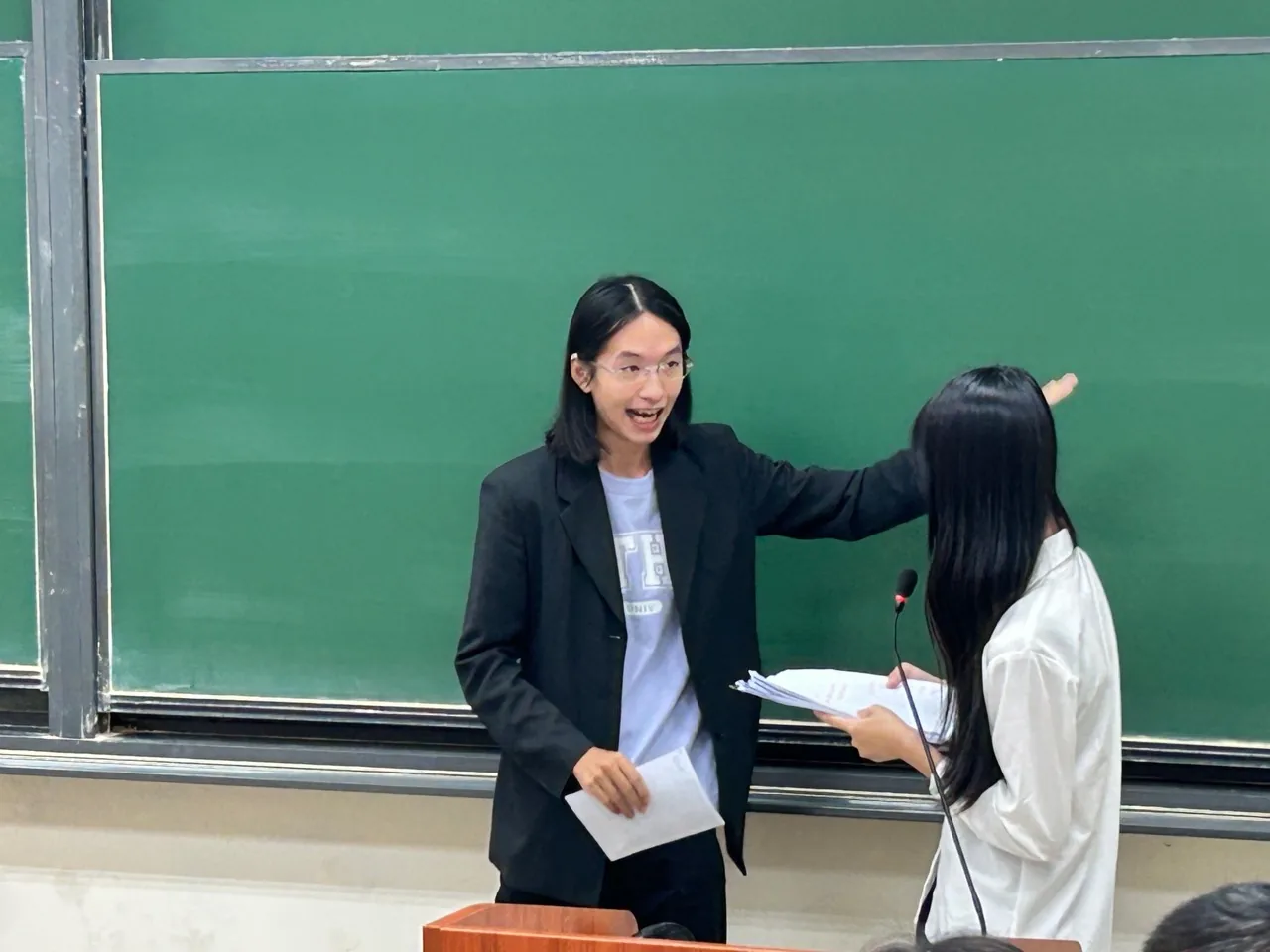
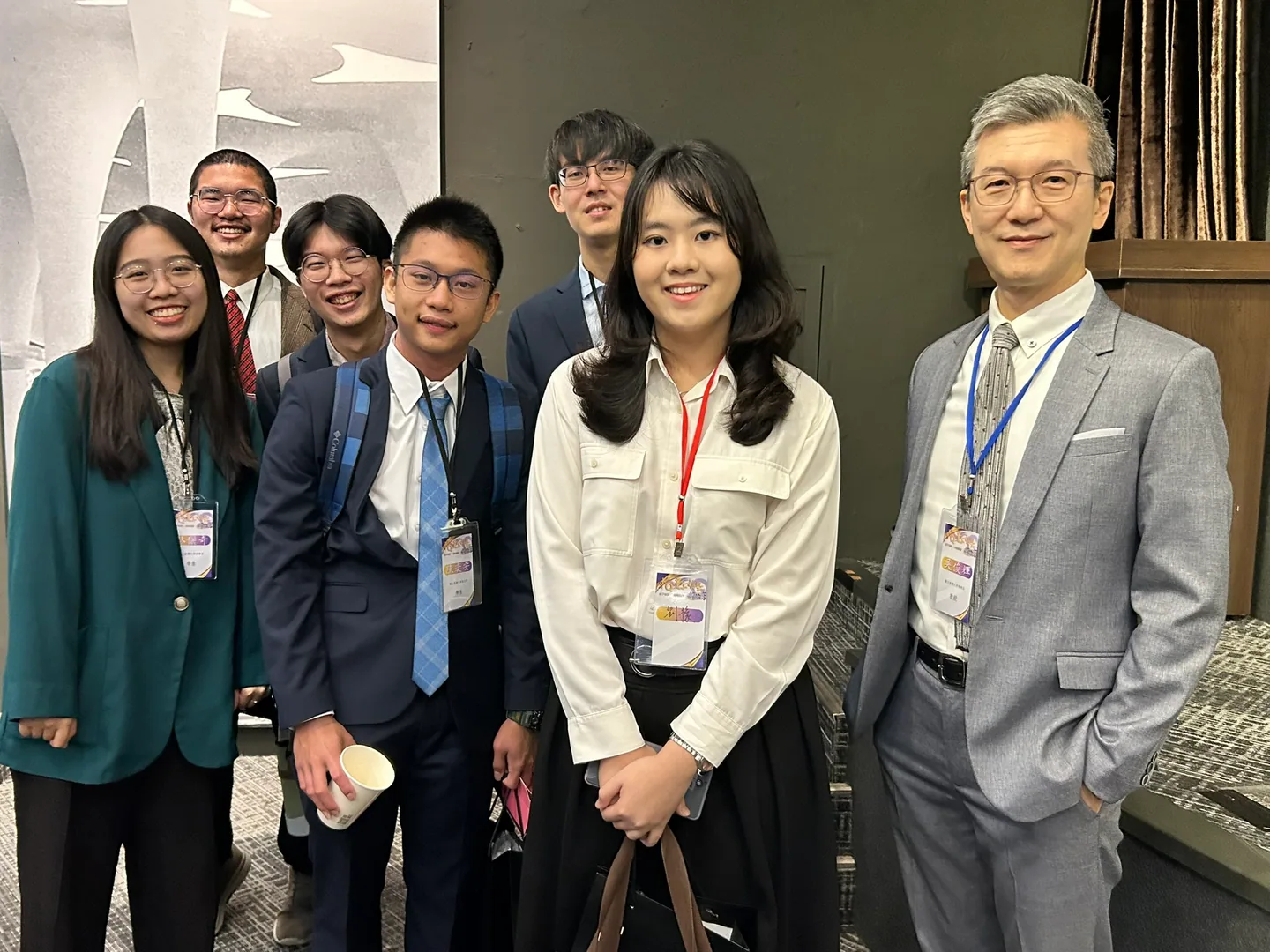
The official campaign visual and archived November 7 program join youth speeches and cross-examination, the championship stage, SynCat character concepts, partner exchange, judges' feedback, and group portraits to document the first time quantum philosophy entered a public debate arena.
Browse the preliminaries, final, SynCat, and community by theme. Select an image to view the optimized archive copy at full size.
01Official Visual & Historical Program2 images

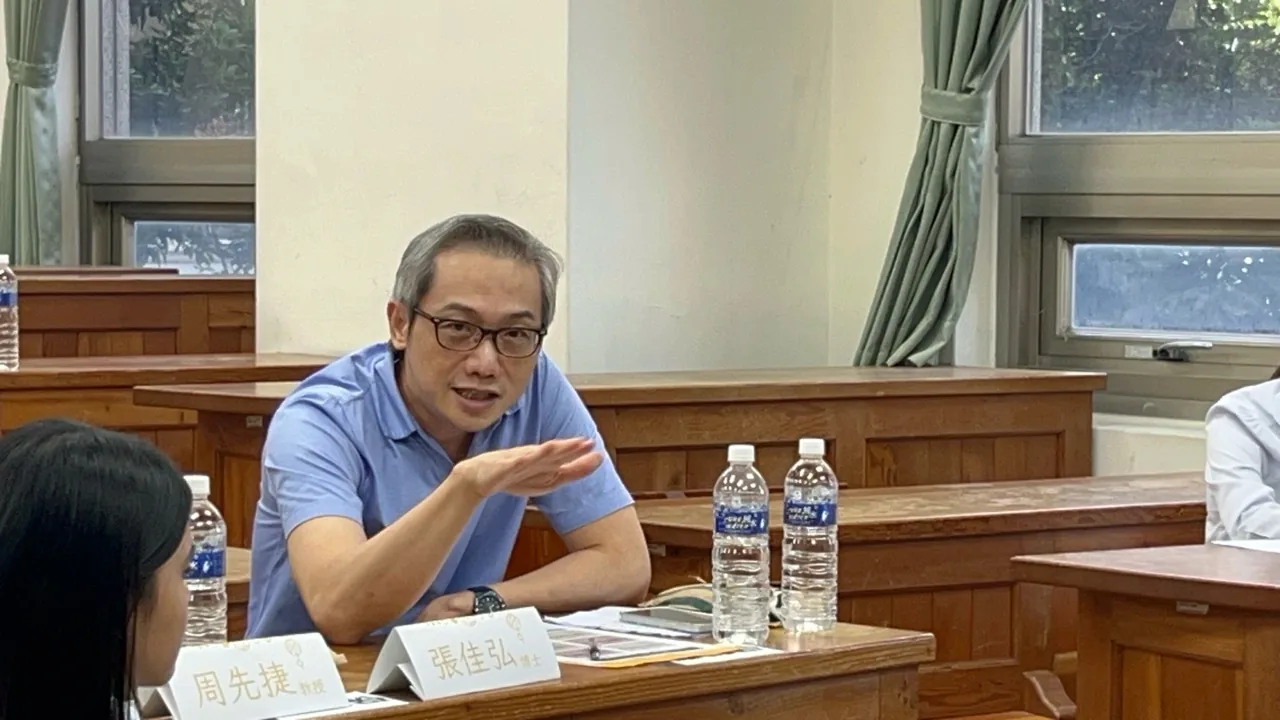
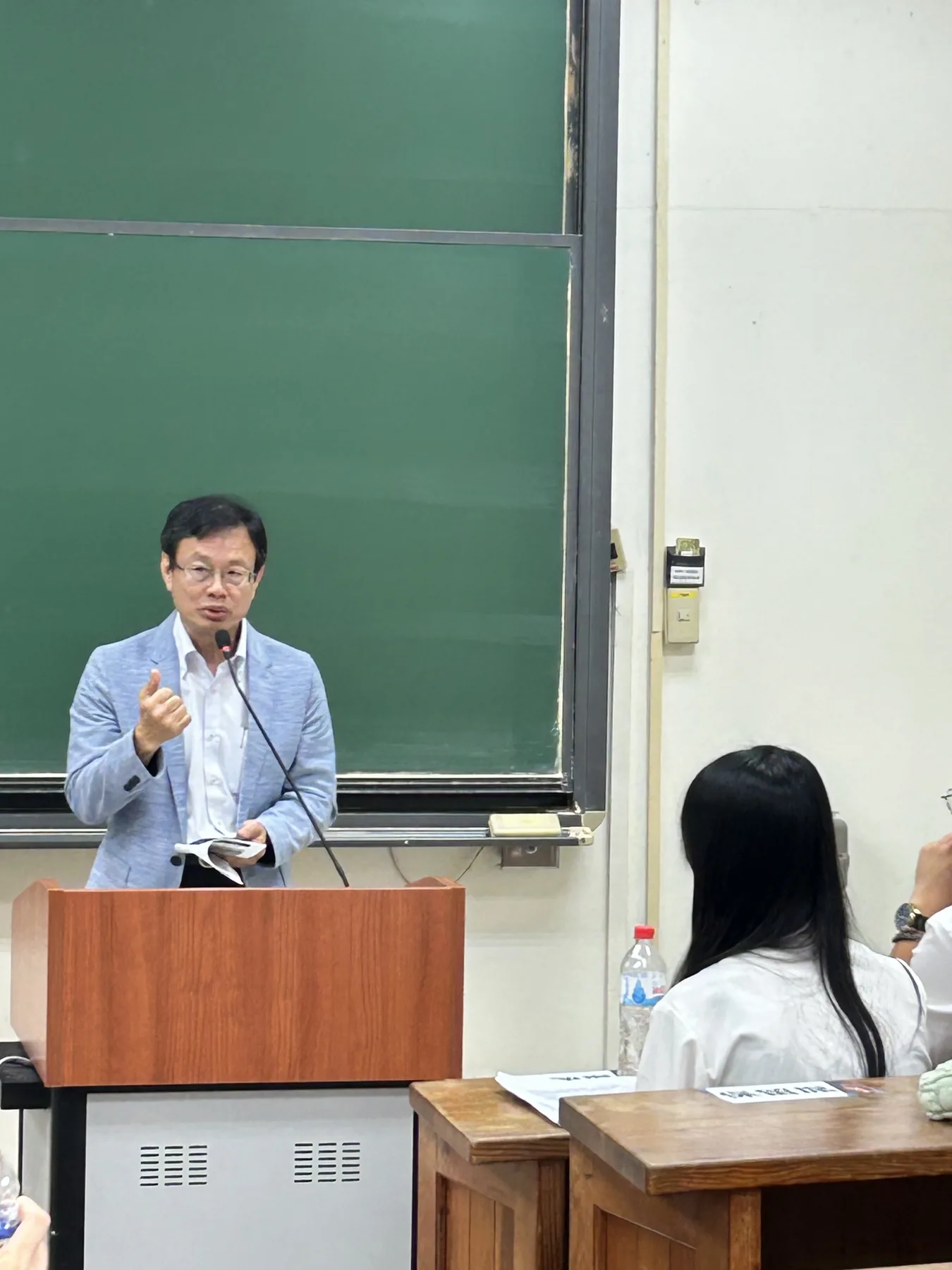
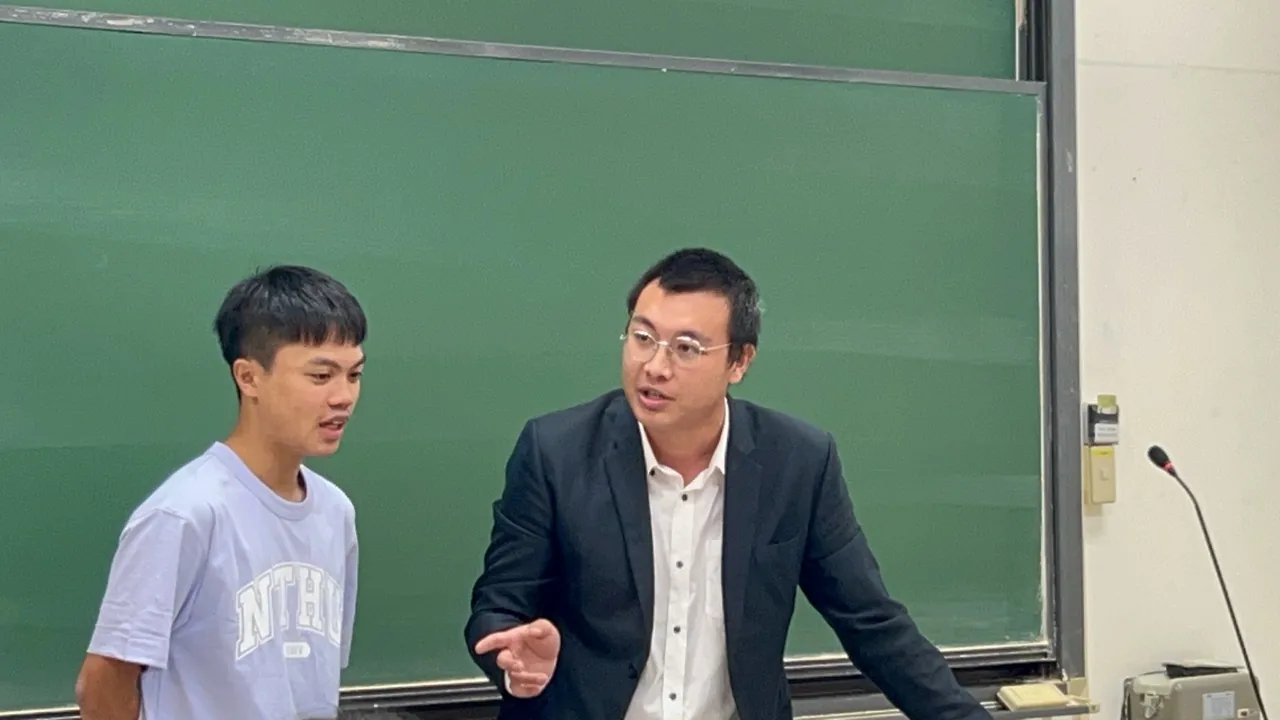
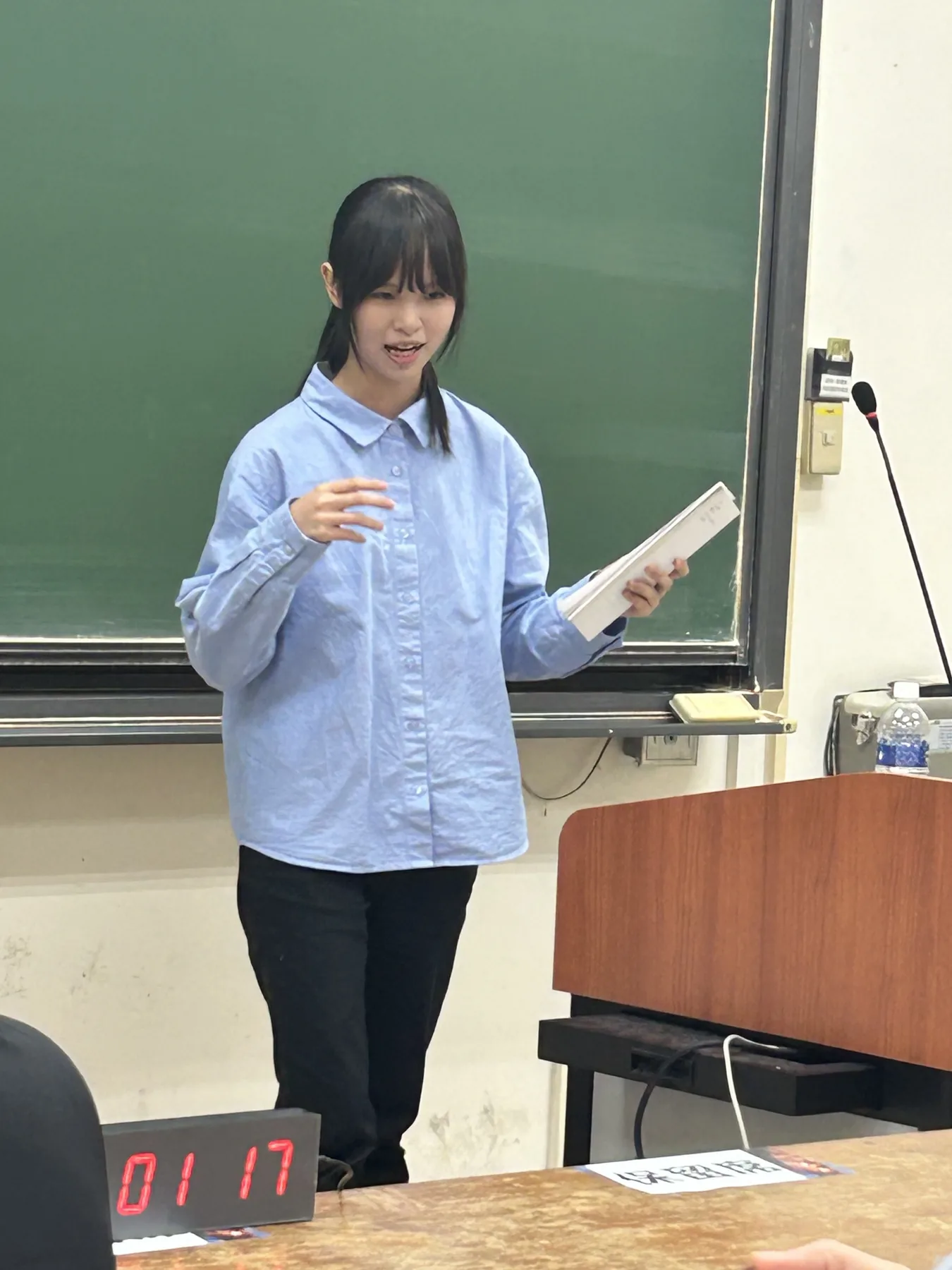
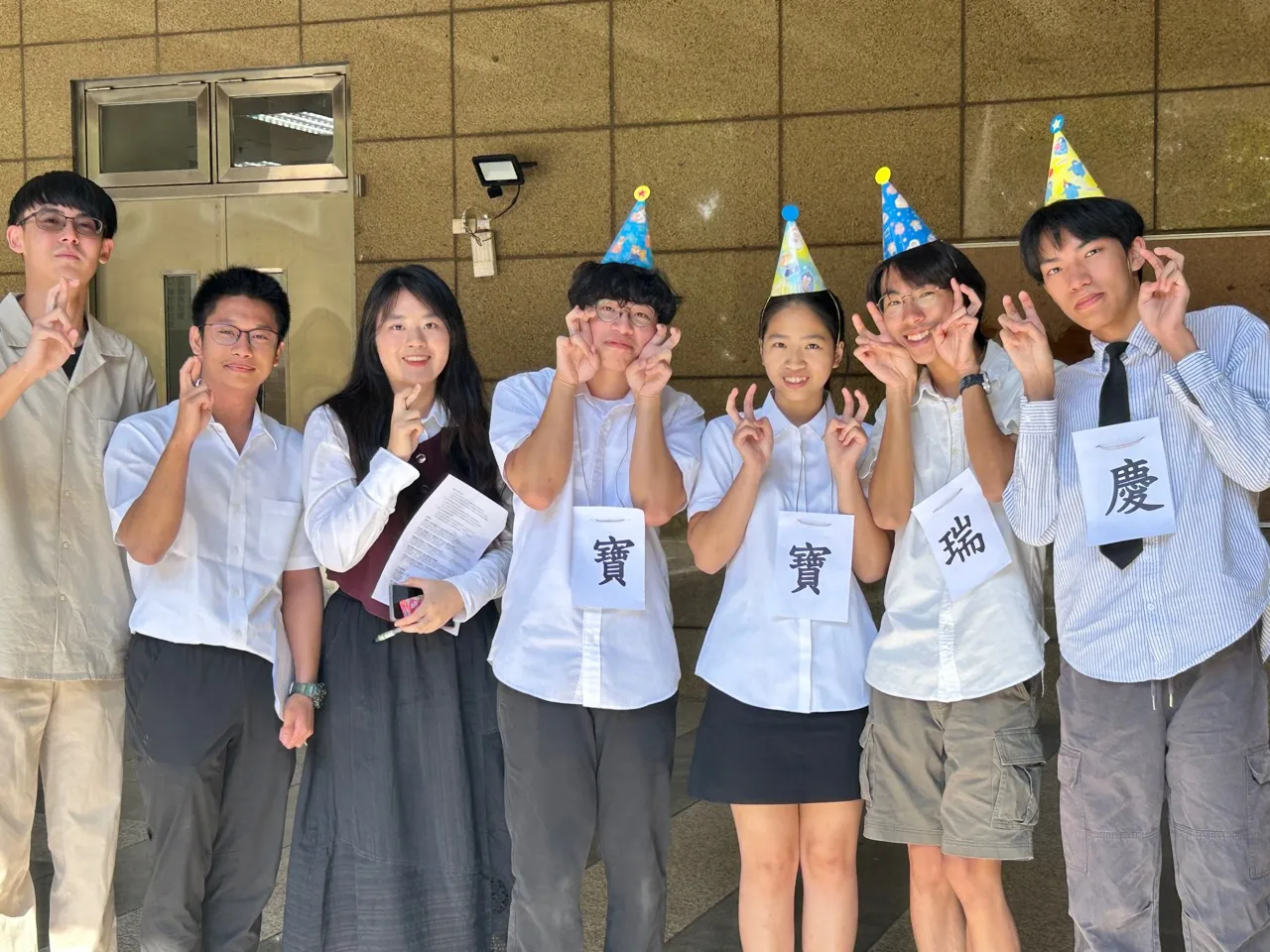
02Preliminaries & Debate6 images
03Final & Outcomes3 images
04SynCat & Partner Exchange2 images
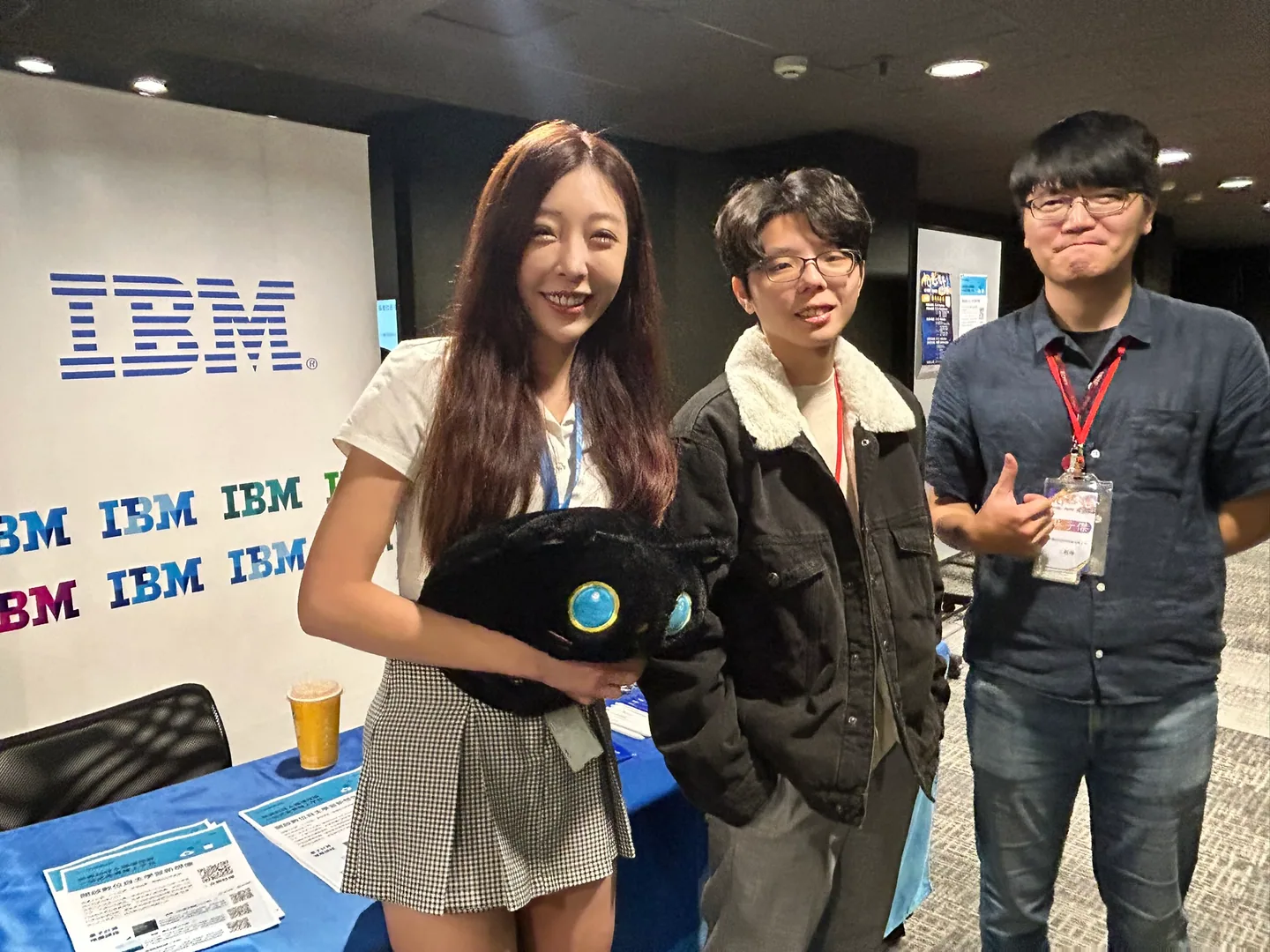
05Participants & Community6 images
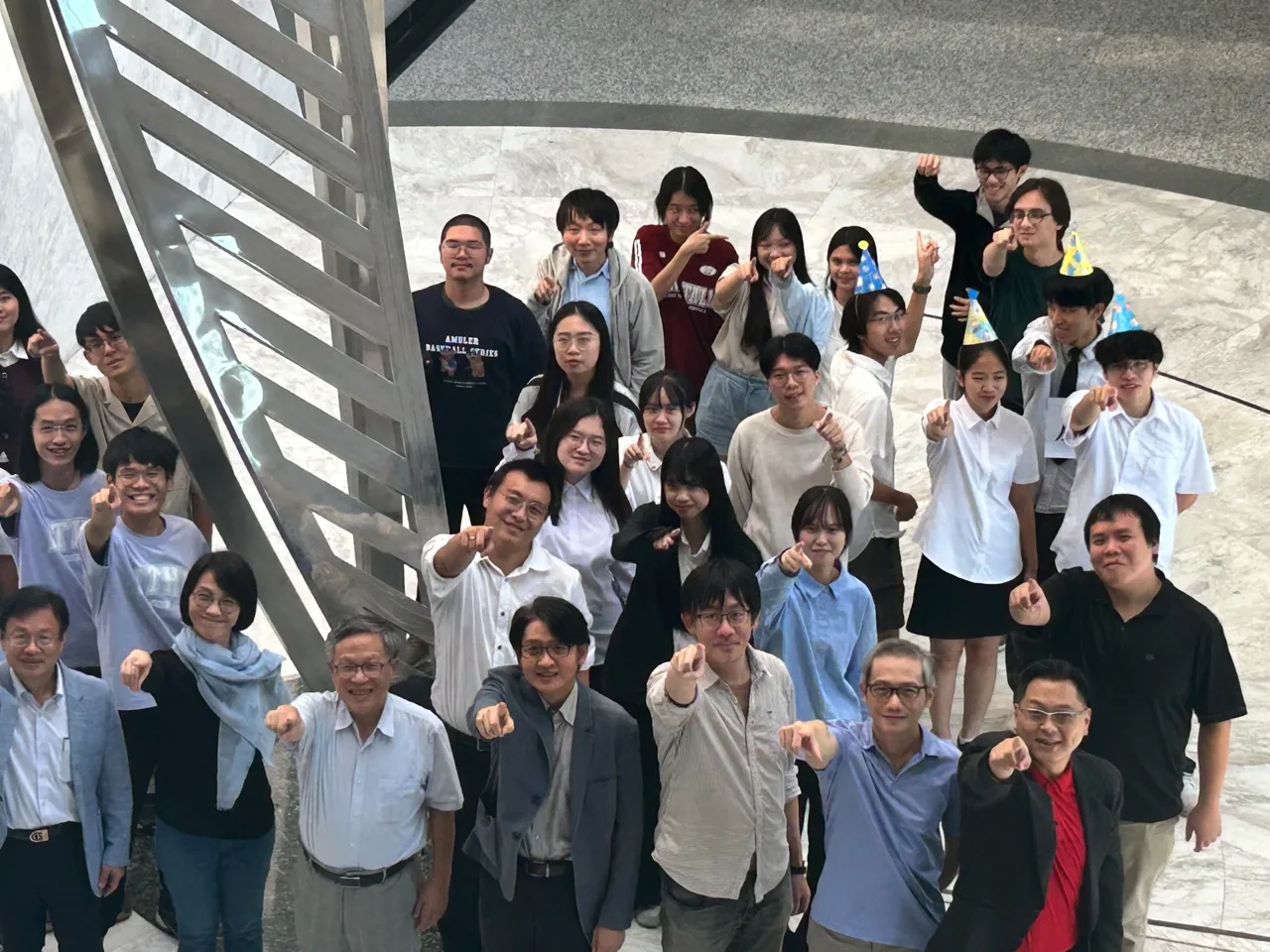
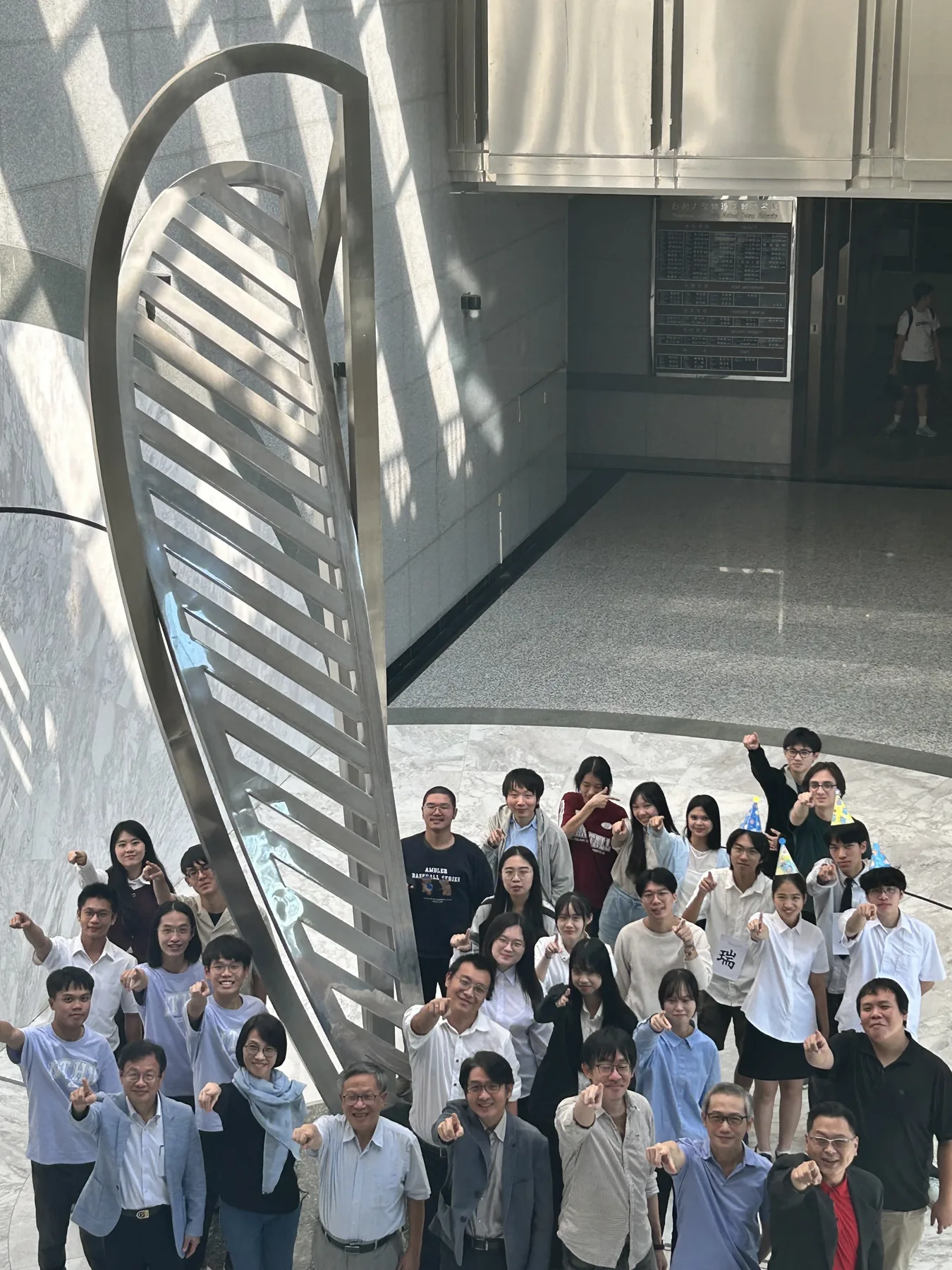
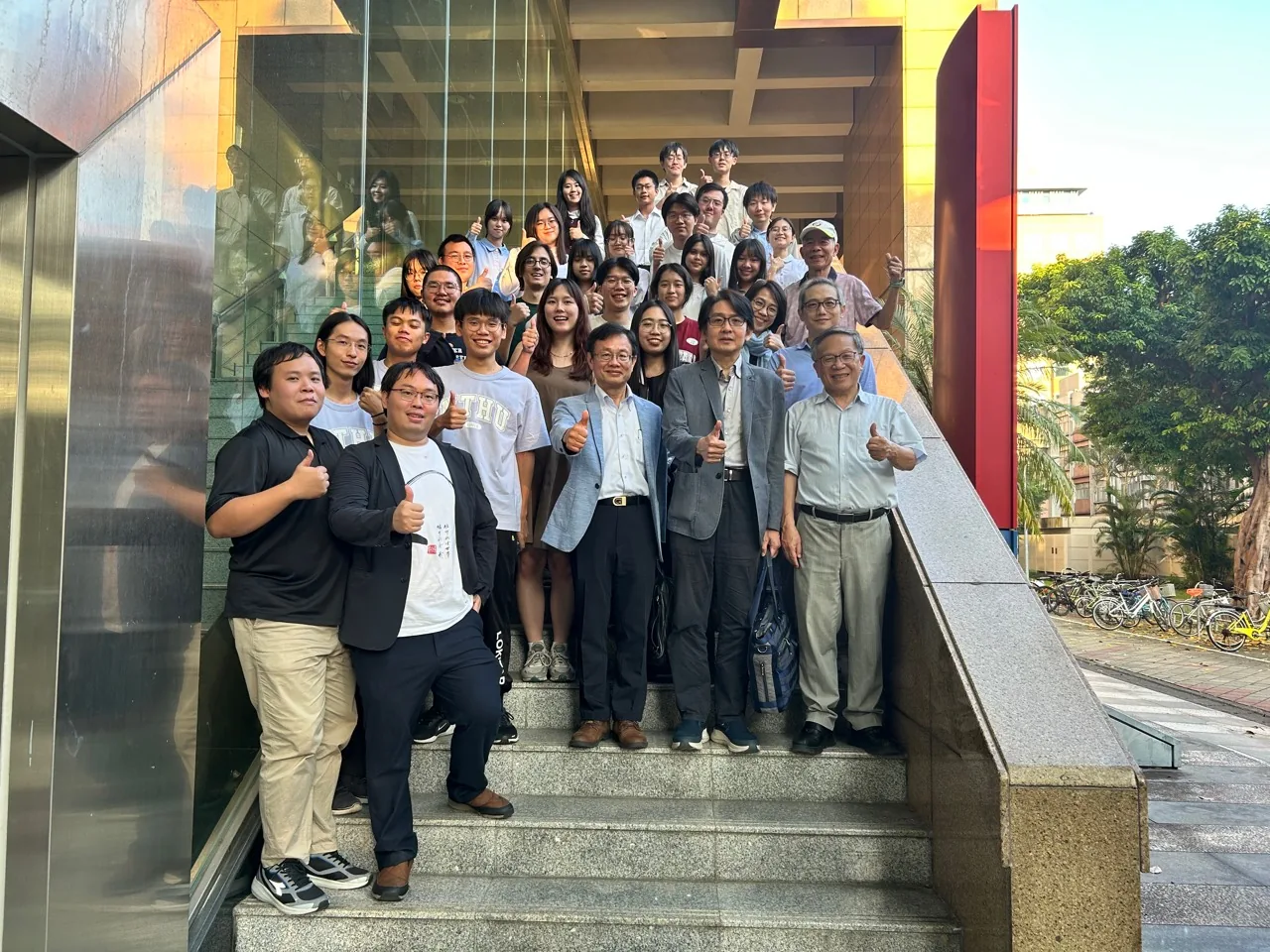
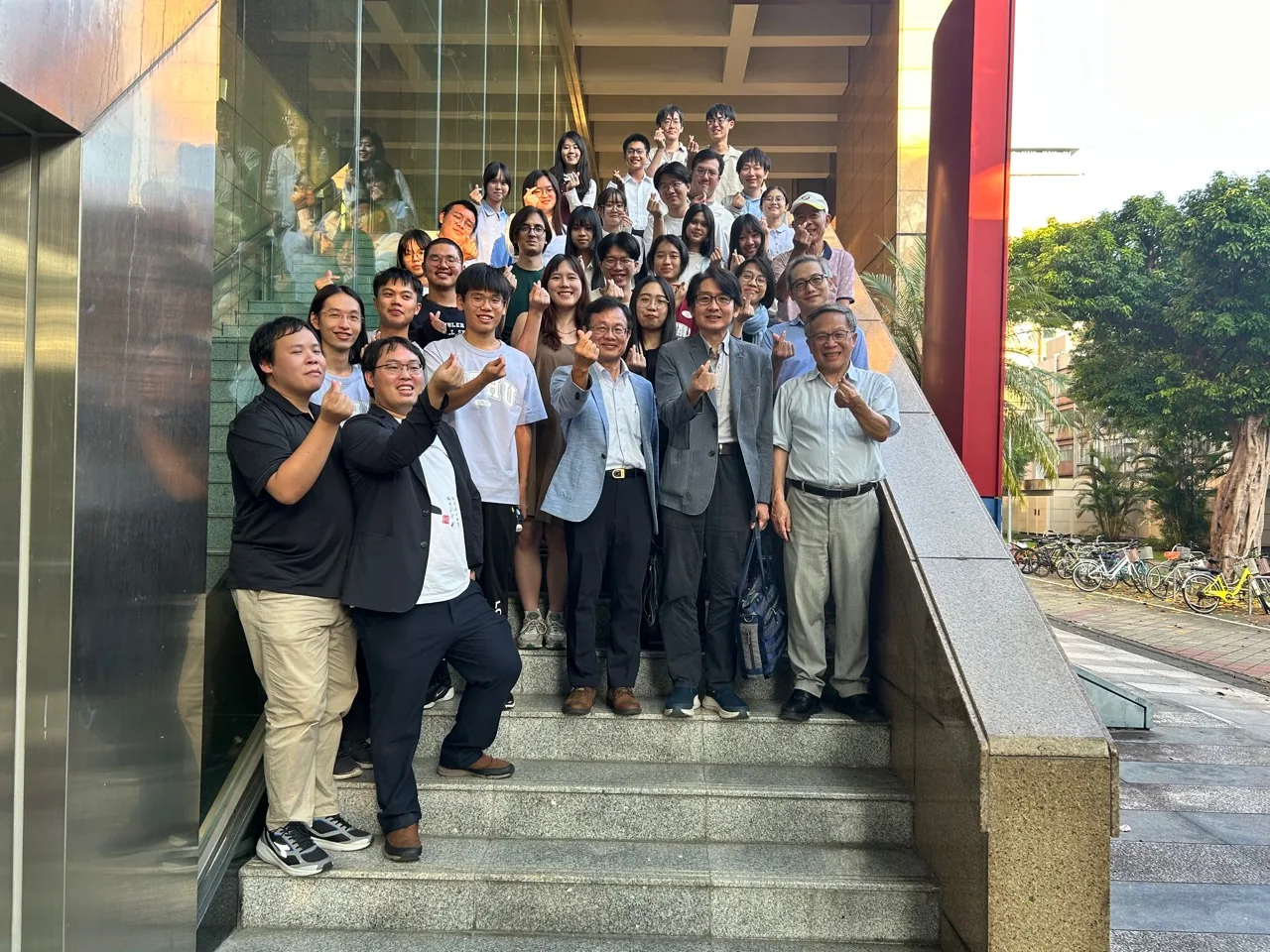
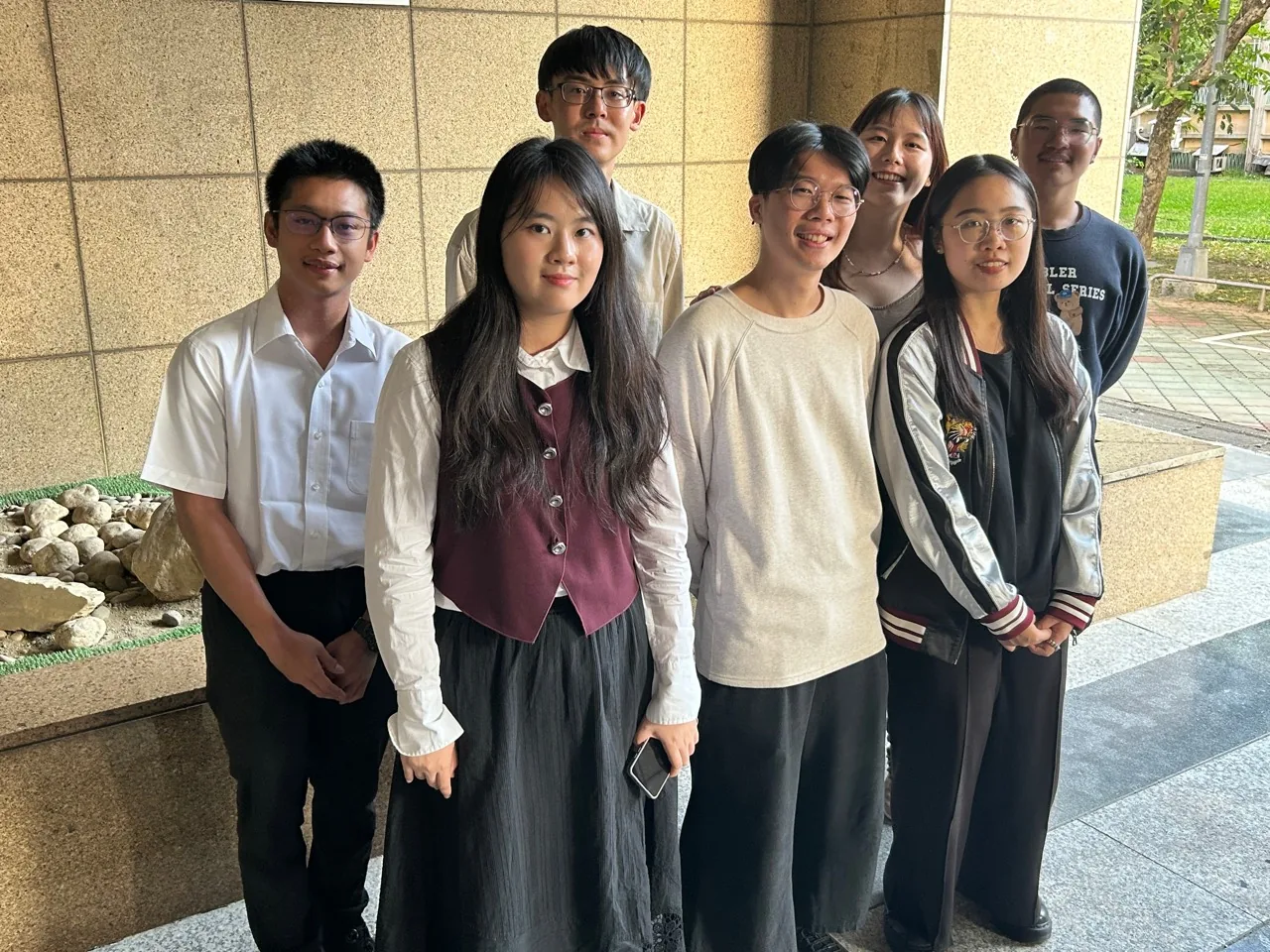
Images and event design | TAQCIT event archive. Dates, venues, and the QR code in the historical program are preserved only as a record of the 2025 competition and are not current event information. Individual photographer credits were not recorded in the materials currently available. To add a credit, correct a description, or request removal, email taqcit@gmail.com and identify the image and request.
Quantum Agora: making interdisciplinary analogies accountable
ΦQ imagines debate as a Quantum Agora—a public square for ideas shaped by “Quantum Vision, Interdisciplinary Resonance.” The event does not add mysticism to quantum mechanics. It asks every analogy that moves from physics into philosophy, institutions, or public affairs to state its concepts, reasoning, and evidence in a form that can be challenged.
Two stages: from six teams to a public final
On November 8, six youth teams completed group round robins, repechage debates, and semifinals in Rooms 111 and 112 of NTU's Department of Physics, for a total of ten preliminary debates. Two teams advanced to the November 30 final at Socrates Hall. The three-on-three format moved through constructive speeches, cross-examination, rebuttal, and closing statements, testing whether participants could turn interdisciplinary material into clear arguments that withstand objections.
Virtual historical figures and three forms of SynCat
Generative AI was used to creatively reimagine virtual addresses by Albert Einstein and Philippa Foot, opening an across-time conversation on relativity, quantum thought, and ethical dilemmas. The exhibition also used yin, yang, and reconciled forms of SynCat to represent different lines of questioning. These works are event creations—not authentic recordings, voices, historical quotations, or statements that can be attributed to the historical figures.
Cross-disciplinary collaboration and source note
TAQCIT organized the inaugural event with IBM, the NTU Departments of Philosophy and Physics, the Chung Yuan Christian University Quantum Information Center, the NTU Physics and Philosophy student associations, and Sudo Technology. This archive draws on the 2025 competition guide, the November 7 schedule poster, final and exhibition motions, and the post-event release. Internal administration, personal data, jury deliberations, and financial records are not published.
EVENT PROGRAM
Two-Day Competition Program
The program below follows the 2025 competition guide and the schedule poster dated November 7. Preliminary-round pairings and floor operations followed the arrangements in effect on the day.
Preliminary Rounds
NTU Department of Physics, Rooms 111/112
Six teams were divided into Φ and Q groups. Round robins, cross-group repechage debates, and semifinals produced two finalists.
Show / hide sessions6 sessions
- Check-in
- Group round robins
- Lunch break
- Cross-group repechage
- Cross-group semifinals
- Group photo and close
Final, Human–AI Exhibition, and Awards
Socrates Hall, GIS NTU Convention Center
Program based on the November 7 schedule poster. The final and exhibition debate were planned for public livestreaming.
Show / hide sessions7 sessions
- Audience and guest check-in
- Opening addressesChing-Ray Chang 張慶瑞 / Ming-Chao Lin 林明照 / Kai-Feng Chen 陳凱風
- Championship final | Quantum and Newtonian democracy
- Intermission
- Human–AI exhibition debateJoyce Yen Feng 馮燕 / Jiun-Huei Proty Wu 吳俊輝 / Jeu-Jenq Yuann 苑舉正 × ChatGPT / Gemini / Grok
- Awards ceremony
- Event concludes
COMPLETE PRELIMINARY ARCHIVE
Ten Preliminary Motions and Advancement
The six group debates, two crossover repechage rounds, and two semifinals are preserved below. Sides in the crossover stages followed on-site competition arrangements.
Group Φ | Round Robin
November 8 morning | NTU Physics Room 111
- Free will still exists under a quantum worldview.
Proposition | His Excellency the Downpour and Friends · Opposition | Sunnyday
- Citizens should have a right to refuse technology when confronted with visions of a quantum utopia, including Luddism and green primitivism.
Proposition | Sunnyday · Opposition | Providence University
- Death remains meaningful in an age of quantum technology and brain-computer interfaces.
Proposition | His Excellency the Downpour and Friends · Opposition | Providence University
Group Q | Round Robin
November 8 morning | NTU Physics Room 112
- Work and labor remain central to human existence in an age of quantum design automation, AI, and cybernetics.
Proposition | 慶瑞寶寶物入歧途 · Opposition | 台塑虛實量子思辯隊
- A particle-model society protects individual freedom better than a wave-model society because it preserves independent agency.
Proposition | Wuliang Kongchu 無量空處 · Opposition | 慶瑞寶寶物入歧途
- Quantum physics and its implications have overturned modern understandings of reality and the mind-matter relation.
Proposition | 台塑虛實量子思辯隊 · Opposition | Wuliang Kongchu 無量空處
Crossover Repechage
November 8, 13:00 | Both winners advanced to the semifinals; sides were assigned on site
- Even if quantum technology makes the human-machine co-domestication of A Cyborg Manifesto a reality, humans can still retain humanity.
Second place in Group Φ vs third place in Group Q
- As quantum measurement matures, physics envy will intensify, and successful applications of mathematics can fully replace the value of philosophy and the humanities.
Second place in Group Q vs third place in Group Φ
Semifinals
November 8, 14:00 | Both winners advanced to the final; the other teams shared third place
- In a quantum-transparent society, leaving things unsaid brings more freedom and authenticity than truth.
Group Φ winner vs winner of the Group Q second / Group Φ third repechage
- A lifestyle revolution driven by the quantum technology industry will intensify class distinction rooted in capital and cultural background rather than create more jobs and mobility.
Group Q winner vs winner of the Group Φ second / Group Q third repechage
Archive boundary | Team names and public matchups are retained as event history. Personal contacts, individual scores, and jury deliberations are excluded.
COMPETITION DOCUMENTS
Competition Documents
Original competition files are identified separately from bilingual public editions and contextual extensions. Each file opens as a PDF.
Show / hide documents8 documents
2025 Original | Competition Format and Advancement Rules
The six-team preliminary format, group rounds, crossover matches, and advancement to the final.
Open document ↗PDF · 7 PAGES2025 Original | Deweyan Interdisciplinary Oregon 3–3–3 Debate Rules
Procedures, timing, and speaking roles for cases, cross-examination, responses, and closing statements.
Open document ↗PDF · 7 PAGES2025 Original | Requirements, Scoring, and Preparation Guide
Preparation principles, assessment dimensions, and practical notes for interdisciplinary argumentation.
Open document ↗PDF · 5 PAGES2025 Original | Final Motion Explainer
Conceptual boundaries and lines of argument for the motion on quantum and Newtonian democracy.
Open document ↗PDF · 3 PAGES2025 Original | Official Human-AI Exhibition Motion Explainer
The formal bilingual live-exhibition motion, its scope, key terms, and open lines of inquiry.
Open document ↗PDF · 3 PAGESPreliminary Motions, Matchups, and Advancement | Public Edition
All six group rounds, two repechage debates, two semifinals, and the advancement path, with private contacts and expired registration links removed.
Open document ↗PDF · 3 PAGESJudging Method and Blank Assessment Sheet | Bilingual Public Edition
Shared judging dimensions and a bilingual blank sheet without team names or a fixed motion. Archived sources differ on whether the scale includes F, pending TAQCIT confirmation.
Open document ↗PDF · 3 PAGESHuman-AI Debate Extension | AI and Democratic Governance
Definitions, criteria, and cases for the planning motion on AI strengthening democratic governance; this was not the motion used in the live exhibition.
Open document ↗DISCUSSION PRACTICE
Six exercises for further inquiry
Adapted from candidate questions in the 2025 planning materials. These are learning exercises, not official competition motions or TAQCIT policy positions. The two perspectives are starting points, not an exhaustive set of answers.
Choose a question, examine both perspectives, then complete the evidence task. When drawing analogies from physics to society, explain what the analogy helps clarify and where it stops.
Evidence and Intuition
Main question
How should decision-makers respond when data analysis and experienced intuition point toward different choices?
Two perspectives
- Prioritize verifiable data so that others can examine the reasons for a decision.
- Leave room for experienced judgment because the data may omit important contextual factors.
Evidence task
Choose a concrete decision. List the data sources, measurement limits, and grounds for intuition. Identify new evidence that would change each side’s choice.
Adaptation source: 2025 planning proposal, candidate question 1 on decision-making
Transparency and Privacy
Main question
Should organizations disclose significant information in full, or define the scope of disclosure by its purpose and risks?
Two perspectives
- Full disclosure supports public accountability and limits selective reporting.
- Disclosure needs boundaries to protect personal privacy and handle unverified information responsibly.
Evidence task
Choose a published report. Separate disclosed, anonymized, and withheld information. Give an assessable reason for each disclosure or withholding decision.
Adaptation source: 2025 early competition brief, example 2; planning proposal, candidate question 6
Science and Philosophy
Main question
If a model can predict the consequences of a decision, is that enough to determine which option should be chosen?
Two perspectives
- Measurable outcomes provide a shared basis for comparing the effectiveness of different options.
- Goals, rights, and trade-offs still require discussion; one metric cannot settle every question of value.
Evidence task
Find a case in which a model is used. Separate the factual questions it answers from the value questions it leaves open, and identify the assumptions behind its conclusions.
Adaptation source: 2025 early competition brief, examples 6 and 20
Human–Machine Relations
Main question
If technology can extend perception or decision-making, what should matter most when deciding whether to adopt it?
Two perspectives
- Expanded capabilities can create more choices; individuals should decide whether to use them in pursuit of their own goals.
- Expanded capabilities may also create dependence or external control; withdrawal and accountability need to be addressed first.
Evidence task
Choose an assistive technology with publicly available documentation. Separate demonstrated functions, development goals, and hypothetical scenarios. Examine where users can control or stop its use.
Adaptation source: 2025 early competition brief, example 12
Work and Fairness
Main question
When assessing a technology’s social benefits, should we prioritize total output or the distribution of gains and transition costs?
Two perspectives
- Increasing total output can provide resources for new jobs and public services.
- Assessment must also consider who benefits and who bears the costs, not just aggregate growth.
Evidence task
Find a report on technology and employment. Check its period, population, job-quality measures, and limitations. Distinguish observed results from forecasts.
Adaptation source: 2025 early competition brief, examples 10, 16, and 17
The Right to Refuse Technology
Main question
When public services adopt new technology, should people be able to opt out? If so, who should bear the cost of alternatives?
Two perspectives
- Alternatives make consent meaningful and support participation by people in different circumstances.
- Shared technical standards may be necessary for a service to function; exceptions must account for feasibility and common costs.
Evidence task
Choose an existing public service and look for non-digital or other alternative access. Compare eligibility, waiting times, costs, and barriers to use.
Adaptation source: 2025 early competition brief, example 24
VIRTUAL ADDRESSES
Virtual Addresses by Historical Thinkers
Historical figures become creative prompts for dialogue across science, philosophy, and public reasoning.
Creative reconstruction noticeThe images and voices below were created with generative AI as imaginative event reconstructions. The scripts were written for the program; they are not authentic recordings, original voices, historical quotations, or reliable representations of Albert Einstein's or Philippa Foot's personal positions.
Albert Einstein | AI Virtual Address
Relativity, the quantum revolution, and twenty-first-century technology open an across-time dialogue for the ΦQ exhibition.
Read the English translation
English translation of the Mandarin event script.
Good morning, young friends of the twenty-first century. My debates with Bohr helped raise the curtain on the quantum century. I once complained to him, half in jest, that God should not play dice. Yet I hear that the universe revealed by later, twenty-first-century experiments mostly does not take my side.
This reminds us that nature often speaks in a language we do not yet understand. What makes science admirable and endearing is its willingness to let evidence revise our preferences. The most incomprehensible thing about the universe is that it can be understood at all. But understanding is never the same as simplification: it is not the clamor of laying everything out in the open, but clarity that can be tested again and again. Nor does it mean flattening our humanity. Let facts and compassion coexist.
Let wonder inspire your hypotheses; test your claims with precision; exercise power with empathy and restraint. If you do, uncertainty will be no threat, but a guiding light. May you debate with intelligence and sincerity.
Philippa Foot | AI Virtual Address
Beginning with the trolley problem and moral judgment, the address asks whether AI can understand the weight of choices involving public values.
Read the English translation
English translation of the Mandarin event script.
Hello, everyone. I have no mass–energy equation, but I do have a speeding trolley. This seemingly playful thought experiment teaches us to reflect on our reasons for acting and the responsibilities we bear.
In a highly transparent future, information can tell us who will be harmed. But to justify our choice of route, we must see the faces of those affected—the faces of others. Judgment concerns more than a single act and its consequences; it also expresses the integrity of our character, a sign of our moral soundness. Honesty, temperance, courage, and kindness are not emotional slogans. They are virtues that keep us from losing our way in difficult decisions.
Involving artificial intelligence is not inherently wrong. The question is whether it helps us act well and become better people, rather than merely minimizing harm or performing elegant calculations. May future intelligence illuminate the human heart, stripping away inflammatory rhetoric and labels while preserving judgment and compassion. May you become incisive and upright. Let reasons be open to scrutiny, and let people be treated with kindness.
OFFICIAL YOUTUBE ARCHIVE
Official Competition Videos on YouTube
Play directly on this page or open YouTube if your browser restricts embedded content.
Final, Exhibition Debate, and Ceremony | Edited
The final, human–AI exhibition, judges' comments, and awards with chapter markers for section-by-section viewing.
Watch on YouTube ↗Final, Exhibition Debate, and Ceremony | Full Livestream
Official archive of the November 30, 2025 livestream from Socrates Hall at the GIS NTU Convention Center.
Watch on YouTube ↗ΦQ Preliminaries and Complete Competition Playlist
The official TAQCIT playlist contains 12 videos: ten preliminary debates plus the edited and full livestream records of the final, exhibition, and ceremony.
Open YouTube playlist ↗The inaugural 2025 competition has concluded. Revisit this interdisciplinary thought experiment through its photographs, motions, and virtual addresses.